

The Hedgehog Program
Hedgehog conservation and care through research, education and practical tools.
Learn, apply and create real impact.
From pet care to habitat improvement and policy.
Research-based – Species specific – Global
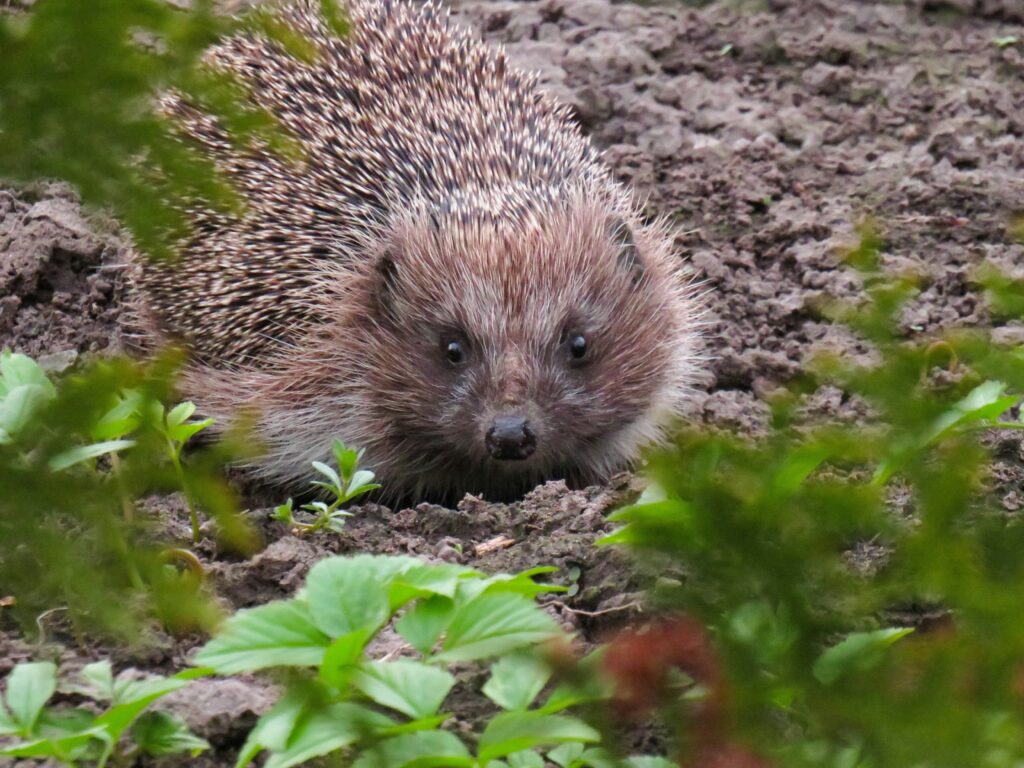
Research meets real-world impact
The Hedgehog Program focuses on hedgehog conservation and care through research, education and practical application. We develop solutions that work in real environments.
Our platform supports pet owners, wildlife enthusiasts and professionals. Every resource is based on data, fieldwork and ongoing research projects.
You can improve animal care, restore habitats or guide policy decisions. All knowledge is structured, clear and directly usable.
We translate complex ecological information into practical steps. This makes hedgehog conservation and care accessible and effective.
Choose your path

Pet Owners
Learn the basics of hedgehog conservation and care at home.

Wildlife & Garden
Support wild hedgehogs through better habitats and gardens.

Rescue & Ecology
Improve your knowledge of wildlife care and conservation.

Professionals
Apply practical strategies in green management and policy.
Explore the knowledge Hub
The Knowledge Hub is your central source for reliable information. It covers species, behavior, diet and conservation.
You will also find topics like climate change and habitat loss.
Each article is written for clarity and practical use.
Build your understanding of hedgehog conservation step by step. Apply it in your own environment or professional work.



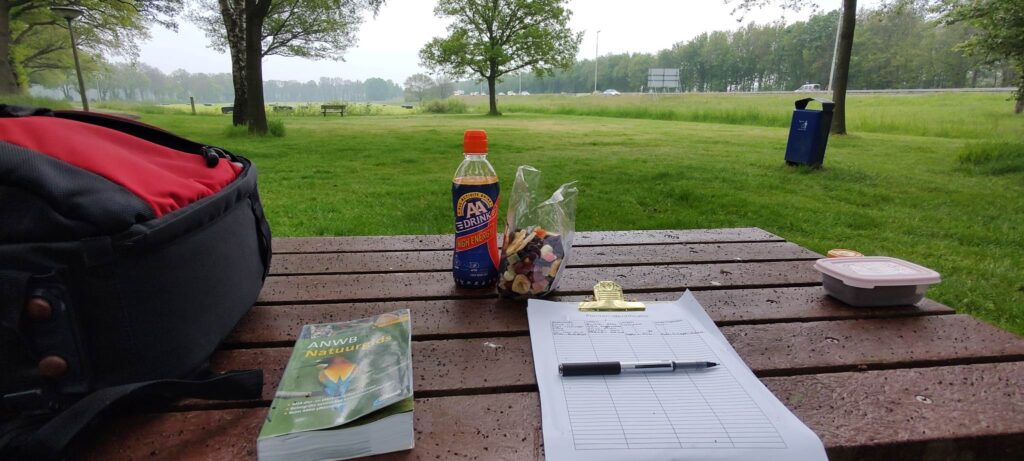
Research and Field Projects
Our work is grounded in real data and field research. We study populations, behavior and environmental impact.
Citizen science helps us collect valuable observations. This connects research with real-world situations.
We translate results into insights that improve hedgehog conservation. These insights support both individuals and professionals.
Courses and Practical Guides
Courses
Structured learning for hedgehog conservation and care. From beginner for advanced levels.
Guides
Clear instructions, worksheets and checklists for direct application in the field.
Bundles
Complete programs for deeper understanding and impact, for those wanting to learn more.
Work with us
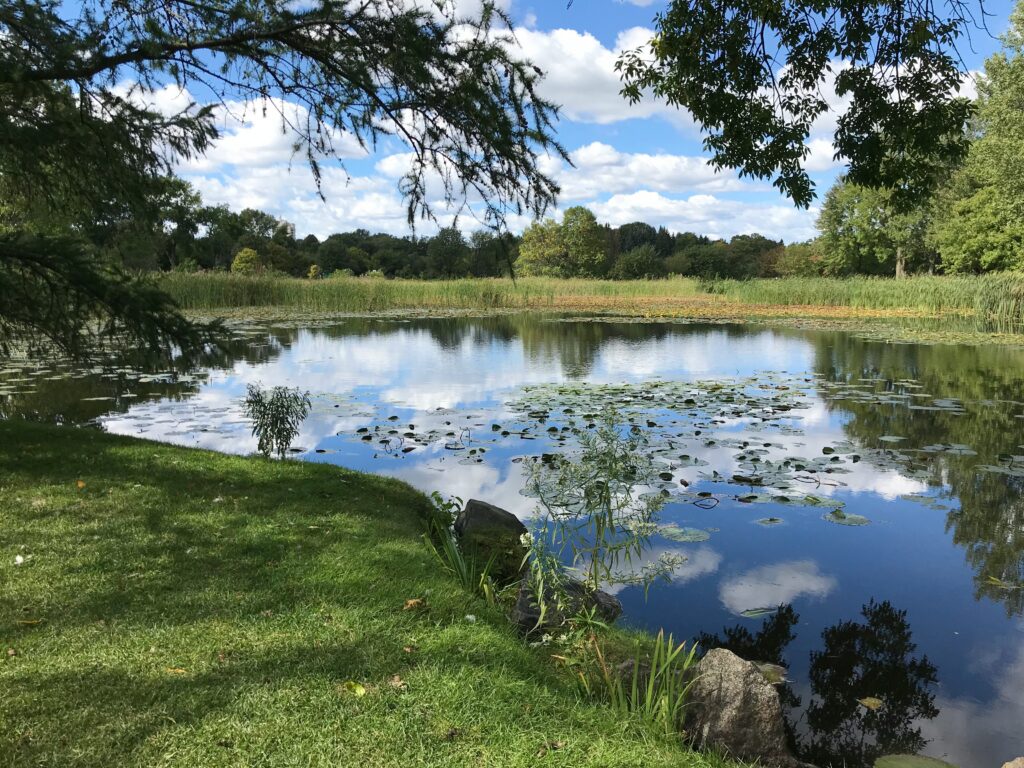
Are you working for a municipality or organisation? We provide practical solutions for biodiversity and green management.
Our tools translate research into clear policies and actions. They support effective hedgehog conservation and care in real environments.
All solutions are realistic, scalable and easy to implement.
Start with free resources
Access free guides, courses and checklists.
Start learning hedgehog conservation immediately.
These resources are practical, structured and easy to follow.
They help you take the first steps with confidence.