
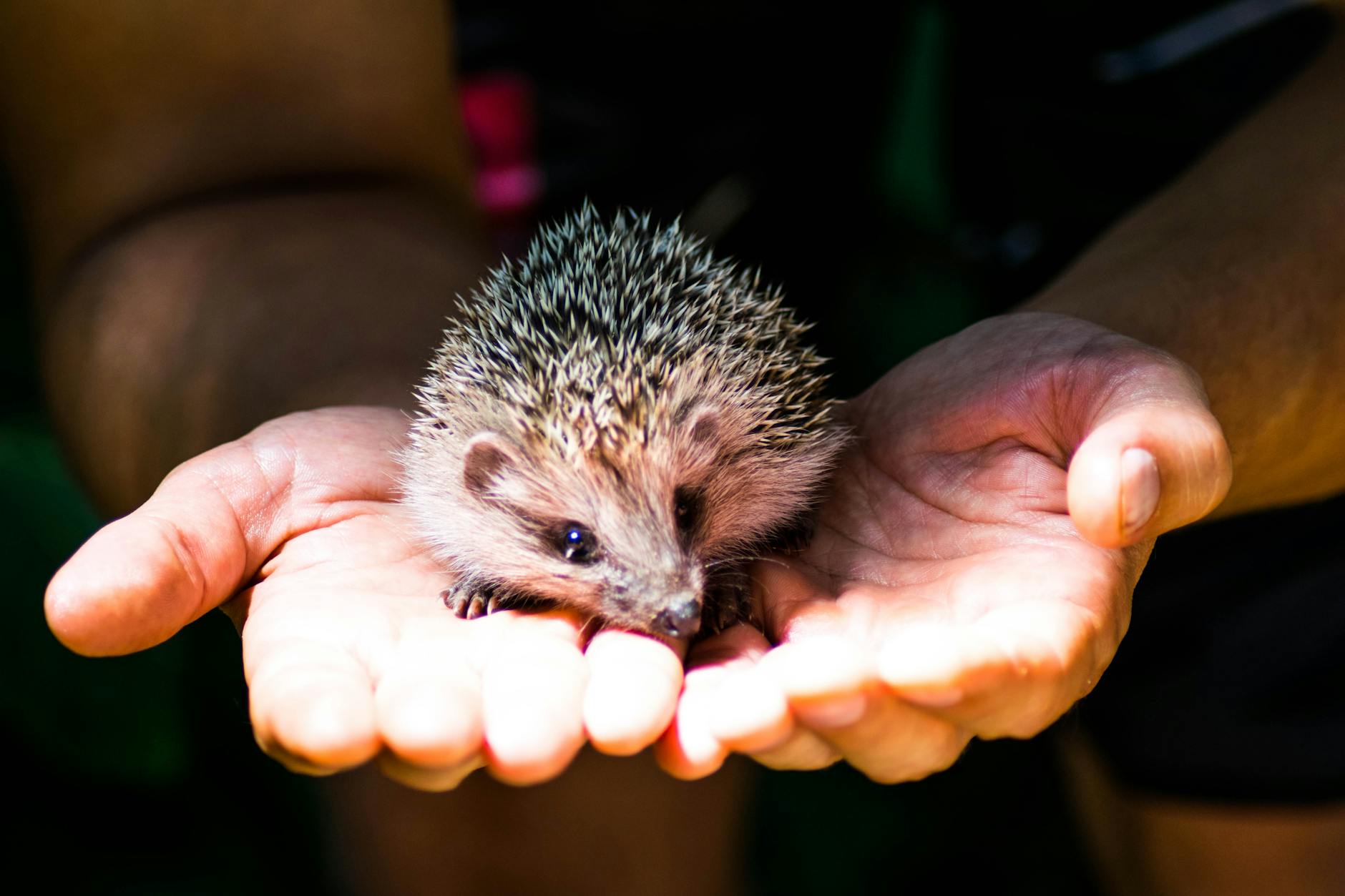
Knowledge hub
This knowledge hub brings together structured information about hedgehogs, tenrecs and wildlife ecology. Explore behavior, diet, conservation and habitat topics in a clear and practical way.
Browse the articles below and explore knowledge at your own pace.
Biodiversity & Urban Ecology

Care & Husbandry
Conservation & Policy
Education & Outreach
Field Research & Citizen Science
Rescue & Rehabilitation Basics
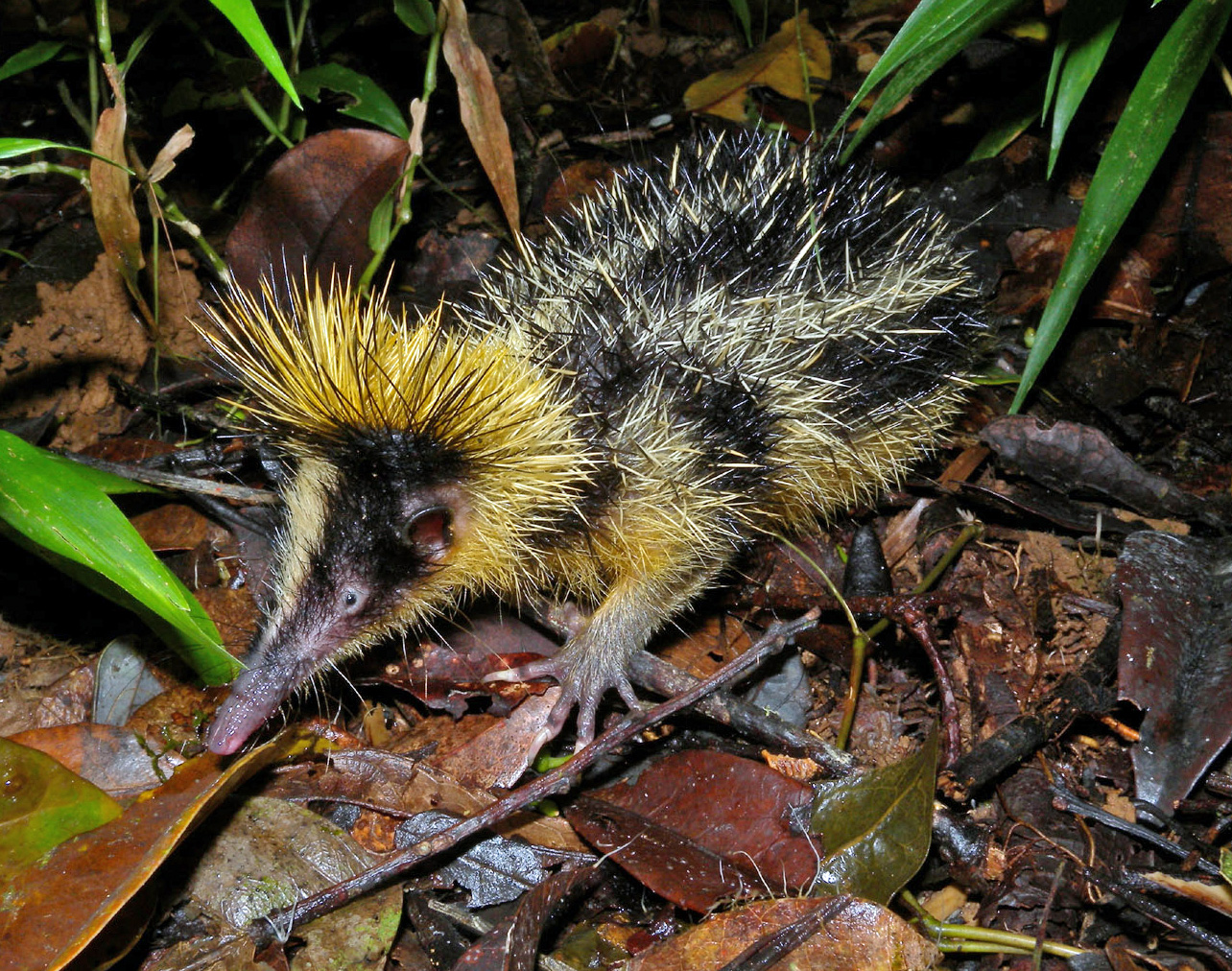
Species Library
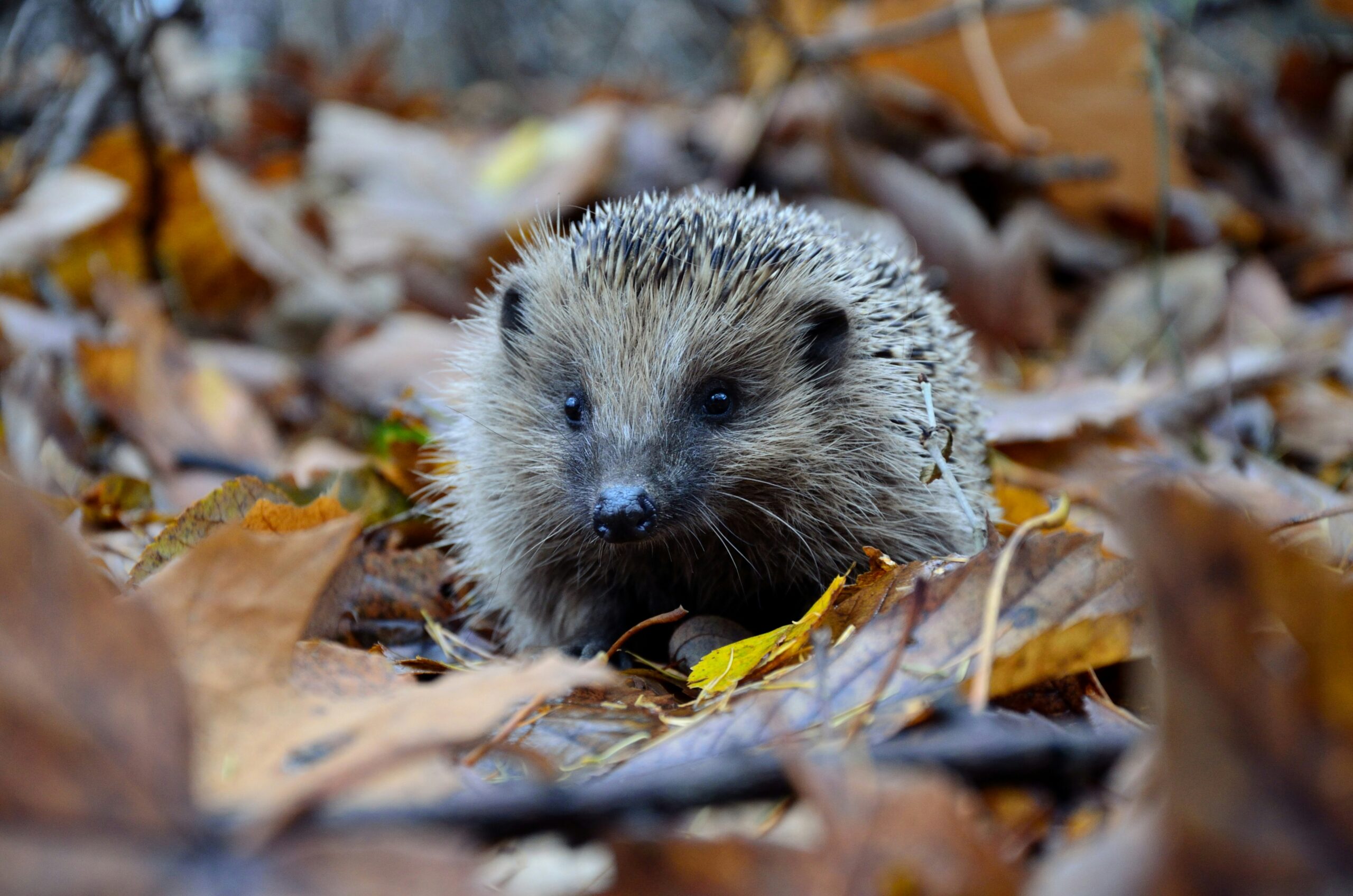
Wild Hedgehogs & Habitat
- Breeding-related health risks: From pyometra to cannibalism
- Color calculator
- Color: Albino
- Color: Apricot
- Color: Black
- Color: Blonde
- Color: Brown
- Color: Champagne
- Color: Chocolate
- Color: Cinnamon
- Color: Cinnicot
- Color: Copper
- Color: Dark Grey
- Color: Fawn
- Color: Grey
- Color: Lilac
- Color: Mocca
- Color: Pale Apricot
- Color: Pink Eyed Black
- Color: Slate Blue
- Common birth defect in hedgehogs and tenrecs: What you should know
- Inbreeding calculator
- Line breeding vs. inbreeding: What's the difference?
- Outcrossing: A tool to improve health and body type
- Pattern: Masked Pinto
- Pattern: Pinto
- Pattern: Reversed Pinto
- Pattern: Snowflake
- Pattern: Ticking
- Pattern: Umbrous
- Pattern: White
- Signs of pregnancy in hedgehogs and tenrecs
- Understanding inbreeding: Risks, myths and realities
- Understanding pedigrees How to read an animal's family tree
- What happens after mating: An overview of gestation periods in hedgehogs and tenrecs
- What if the mother rejects her litter? Emergency options
- When to separate the young: Timing is key
- Bacteria and viruses
- Balloon syndrome in hedgehogs
- Cancer: symptoms and prognosis
- Diabetes in hedgehogs and tenrecs
- Does my hedgehog or tenrec have obesity?
- Fatty liver disease
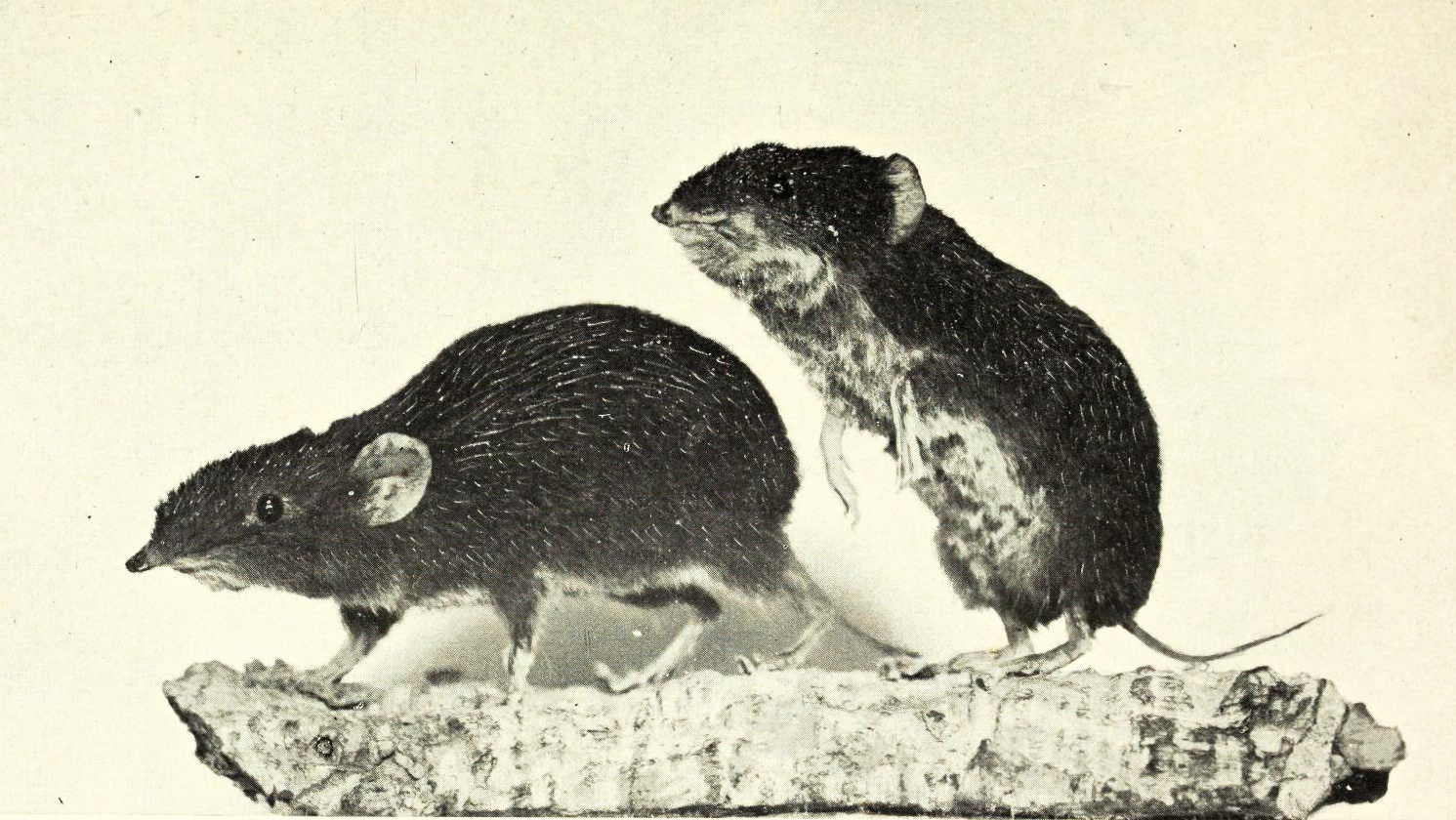
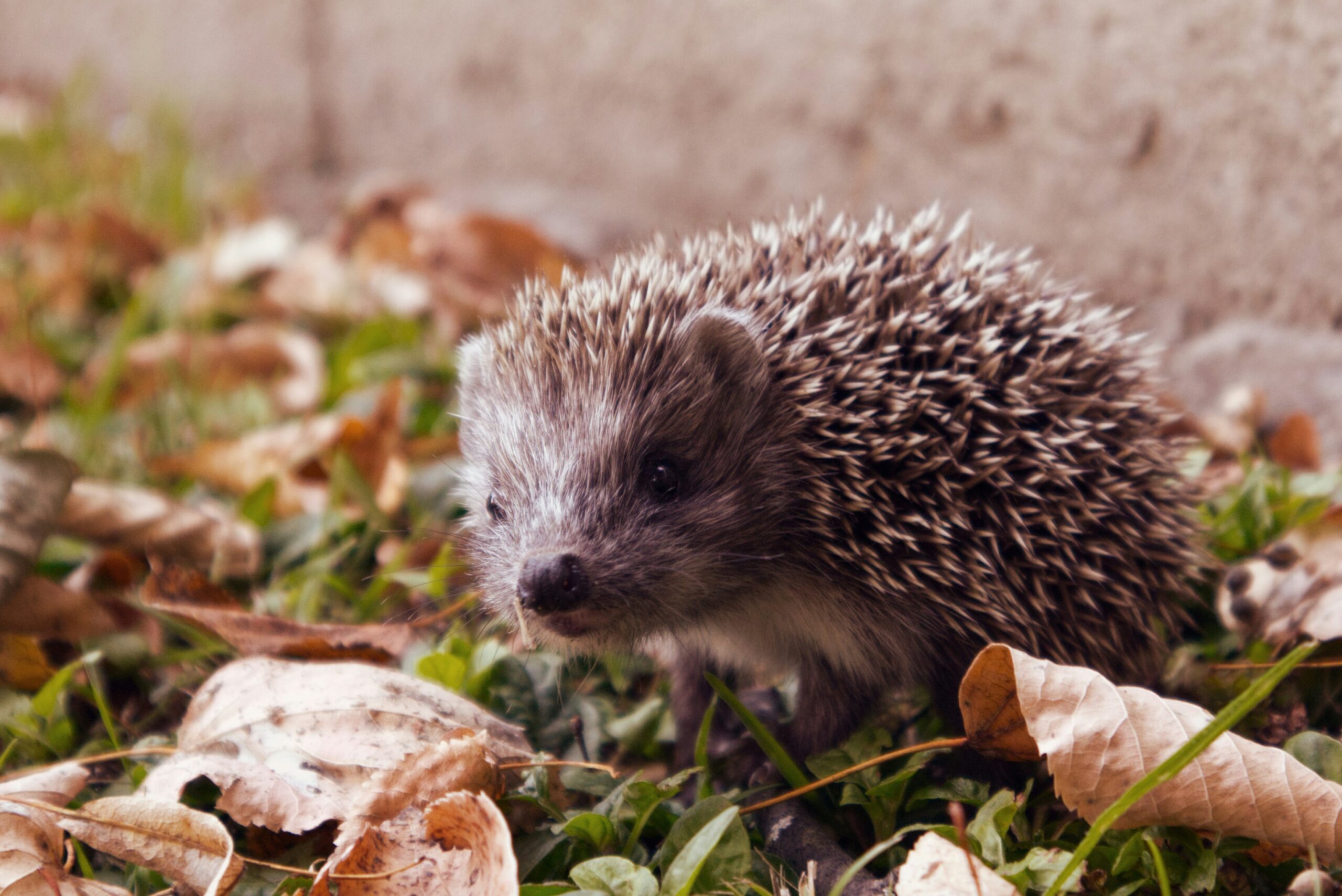
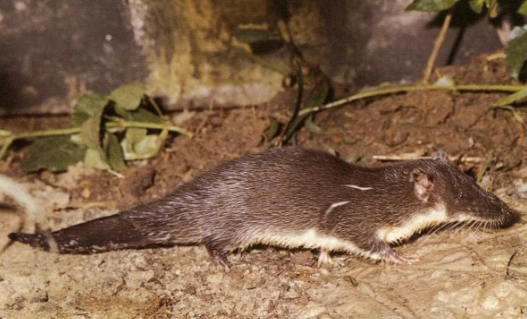
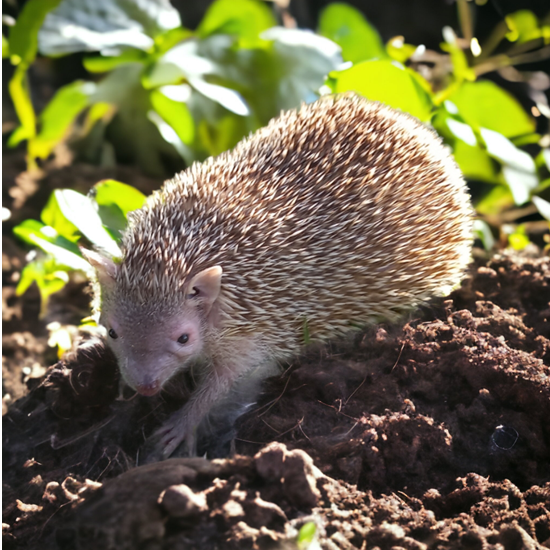
- Common tenrec
- Cowan's shrew tenrec
- Dobson's shrew tenrec
- Drouhard's shrew tenrec
- Dryad shrew tenrec
- Four-toed rice tenrec
- Gracile shrew tenrec
- Grandidier's shrew tenrec
- Greater hedgehog tenrec
- Greater long-tailed shrew tenrec
- Highland streaked tenrec
Uitgelichte artikelen
This library filled with educational articles brings together structured and reliable information about hedgehogs, tenrecs and wildlife ecology. It is designed as a central place where knowledge is organized, accessible and easy to explore.
The hub covers a wide range of topics, including behavior, diet, habitat and conservation. Each article focuses on clear explanations and practical relevance. This allows users to not only understand the subject, but also apply it in real sitations.
For pet owners, the knowledge hub provides insights into care, nutrition and species-speecific needs. For wildlife enthusiasts, it offers guidance on habitat improvement and supporting biodiversity. for professionsl, it connects field observations with ecological understanding.
The structure of the hub makes it easy to navigate between topcis. Articles are grouped by theme, allowing users to build knowledge step by step. The creates a logical flow between basic information and more advanced subjects.
All content in the hub is based on research, fieldwork and practical experience. This ensures that the information remains accurate, relevant and applicable. It also helps bridge the gap between theory and real-world situations.
As the platform continues to grow, new articles will be added to the knowledge hub. This expands the available topics and keeps the content up to date. Users can return to explore new insights and deepen their understanding over time.
The goal of this knowledge hub is to support better decision making, improved animal care and stronger conservation outcomes. It provides a foundation for learning, while remaining flexible for different levels of experience.